Food waste is not one material. Kitchen waste from a canteen, waste from a food processing line, and used cooking oil are three different problems wearing the same name, and the right technology for one is usually the wrong technology for the others.
The four routes below cover the great majority of installations. Which one suits you depends less on the technology than on what is in your waste, what output you can actually sell or use, and what your site and your permits allow.
Route 1: separation and volume reduction
Most food waste is mostly water. Separating solids from liquids and recovering the oil fraction reduces volume before anything else is attempted, and it is usually the cheapest tonne saved.
- Solid-liquid separation removes free liquid and produces a solids fraction that is smaller, drier and cheaper to move or process further.
- Oil-water separation recovers the fat and oil fraction, which is the part of kitchen waste with real resale value — as a feedstock for further processing or for technical uses.
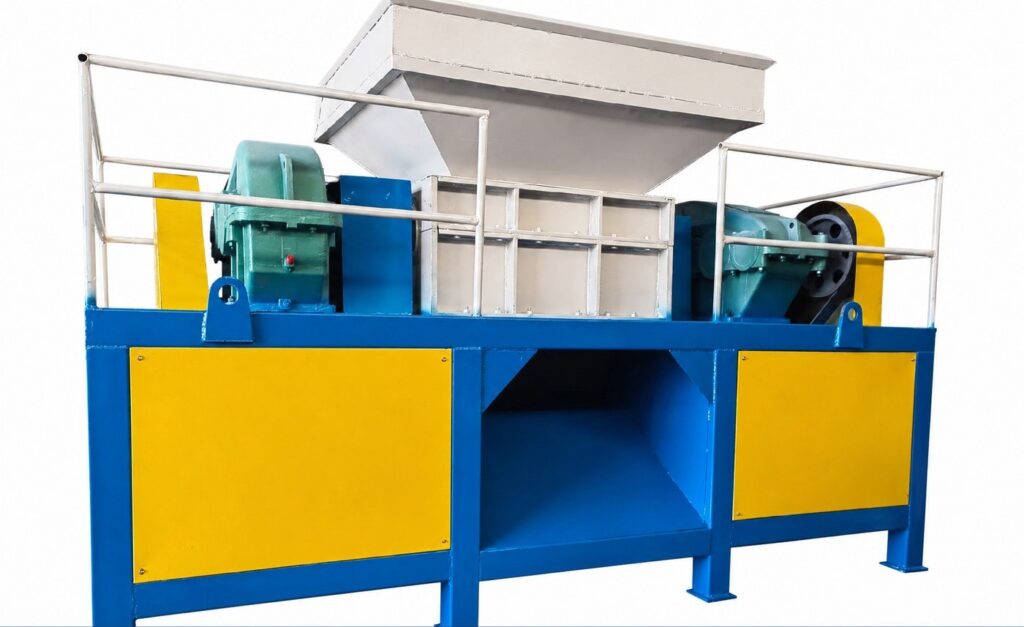
- Size reduction ahead of separation improves both, because whole food waste does not dewater well.
This route is as much a pre-treatment step as a disposal route, and it is the sensible first stage under almost any of the others.
Route 2: drying and conversion to feed or fertiliser
Where the waste is food-grade and consistent, drying it produces a material that can be used as animal feed or as a soil amendment, after any required processing and approvals. The attraction is that waste becomes a product rather than a disposal cost. The constraints are real:
- Consistency. Feed users need a predictable product. Restaurant waste varies daily; food factory waste often does not.
- Contamination. Packaging, cutlery, plastics and cleaning chemicals all have to be excluded upstream.
- Regulation. Feeding food waste to animals is restricted or prohibited in many jurisdictions, and the rules change. Check before designing.
- Energy. Drying is energy-intensive. If the waste is 70 % water, you are paying to evaporate 70 % of what you collect.
Route 3: aerobic composting
Composting is the lowest-technology route and the easiest to start. Vegetable and fruit waste, garden material and many catering wastes compost well with turning and adequate aeration.
Strengths: low capital, simple operation, and a product that is usually acceptable locally.
Weaknesses: large land area, weeks of retention time, odour if managed badly, and it does not cope well with meat, fats and oils in quantity. Emission control and leachate handling are frequently underestimated, and both are the parts neighbours notice.
Route 4: anaerobic digestion
Anaerobic digestion converts organic material into biogas in a sealed vessel. It captures energy from waste and handles wet waste streams that composting struggles with, including fats and oils in moderation.
Strengths: energy recovery, a contained process with controlled odour, and a digestate that can be used as a soil amendment.
Weaknesses: by far the highest capital and technical complexity of the biological routes; sensitive to feedstock variation and to contamination that inhibits the biological process; and it needs an operator who understands the process, not just the equipment.
Route 5: thermal treatment and energy recovery
Where waste cannot be reused materially, controlled thermal treatment recovers energy and destroys contaminants. It brings the heaviest capital, the tightest emission limits and the most demanding permitting of any route, and it is normally only justified at scale or where no material route exists.
Comparing the routes honestly
| Dimension | Separation | Drying to feed | Composting | Anaerobic digestion | Thermal |
|---|---|---|---|---|---|
| Handles wet waste | Yes | Poorly | Poorly | Well | Yes |
| Capital cost | Low | Medium | Low | High | Very high |
| Operating skill needed | Low | Medium | Low | High | High |
| Sellable output | Recovered oil | Feed / fertiliser | Compost | Biogas + digestate | Energy |
| Land area | Small | Small | Large | Medium | Small |
| Permitting burden | Light | Medium | Medium | High | Very high |
None of these columns is a recommendation. They are the trade-offs you are choosing between.
How to choose
- What is actually in the waste? Get a composition figure — oil content, water content, contamination — over several weeks, not one sample.
- What output can you sell or use? Recovered oil, compost, feed, biogas or heat. If there is no market for the output, the process is a cost, not a business.
- What does the site allow? Land, odour sensitivity, neighbours, access for collection vehicles and the space for the equipment.
- What can you operate? A composting pad and an anaerobic digester demand completely different levels of technical capability.
- What does the regulation require? Check the rules on the waste you handle and the output you produce before you buy anything.
Where separation equipment fits
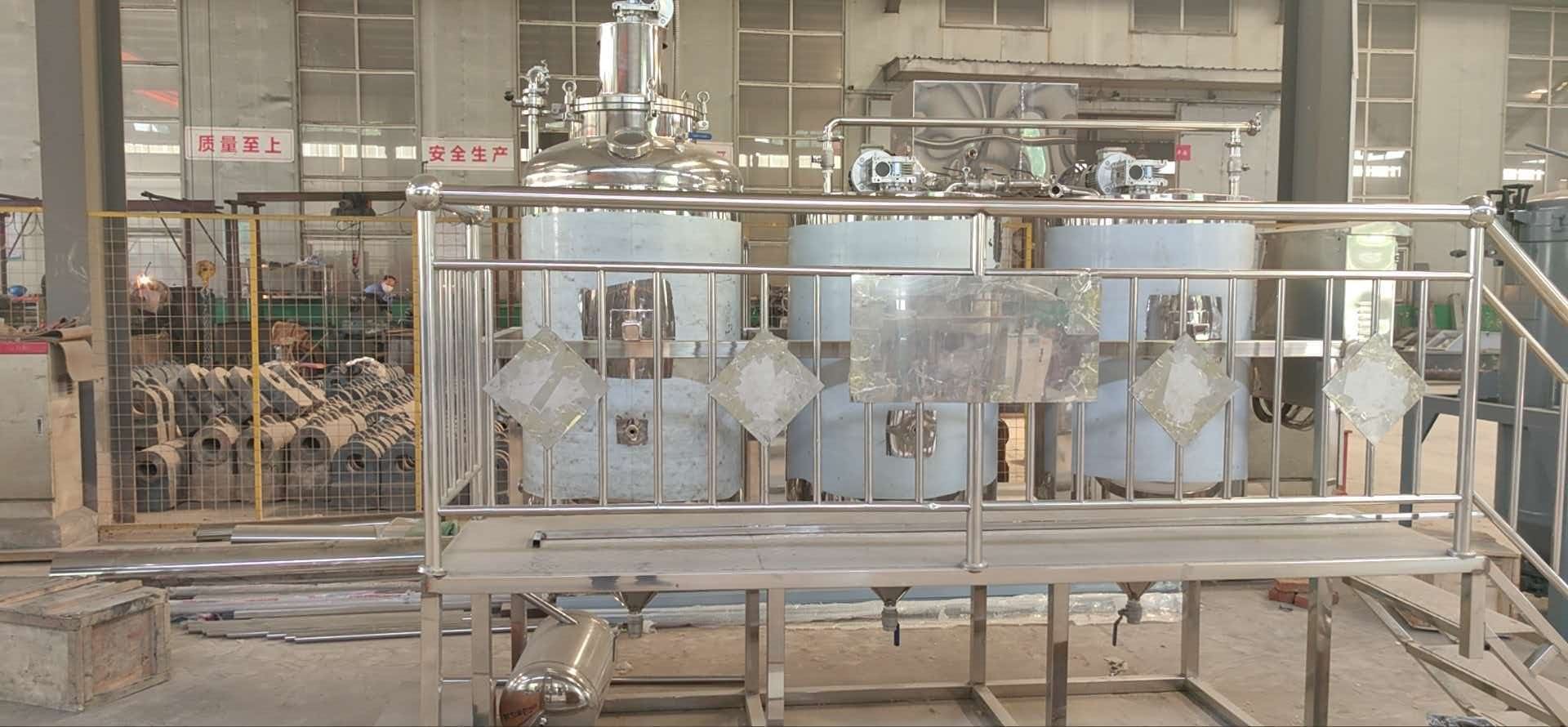
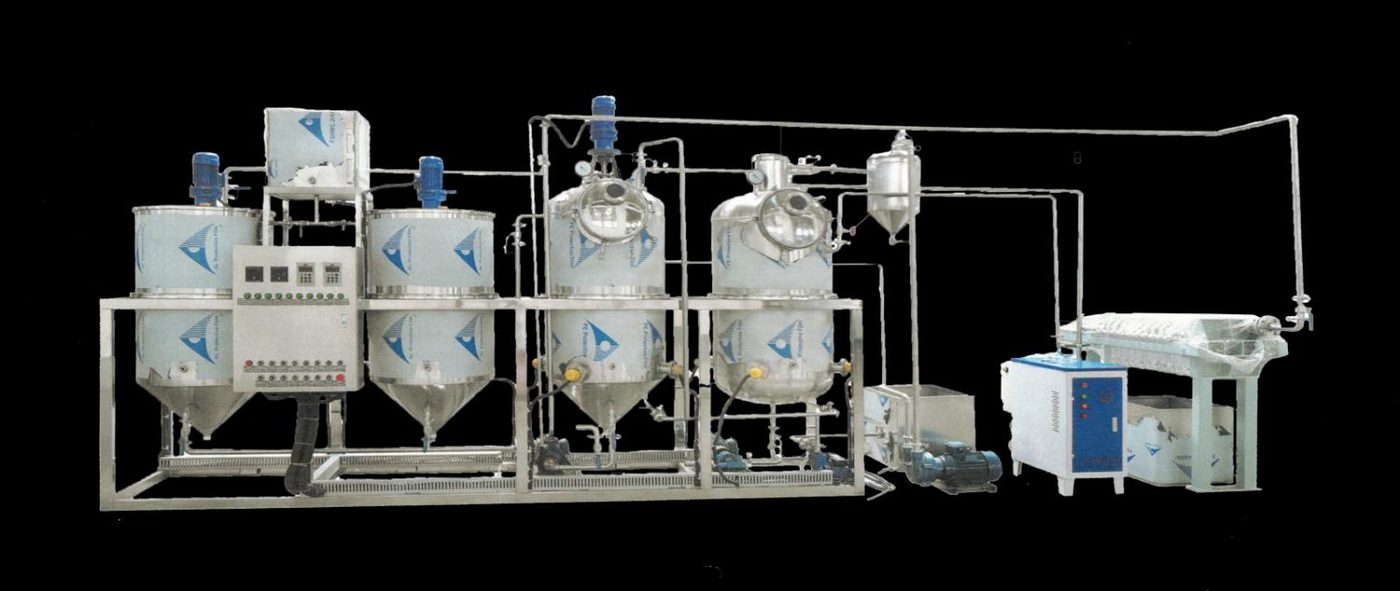
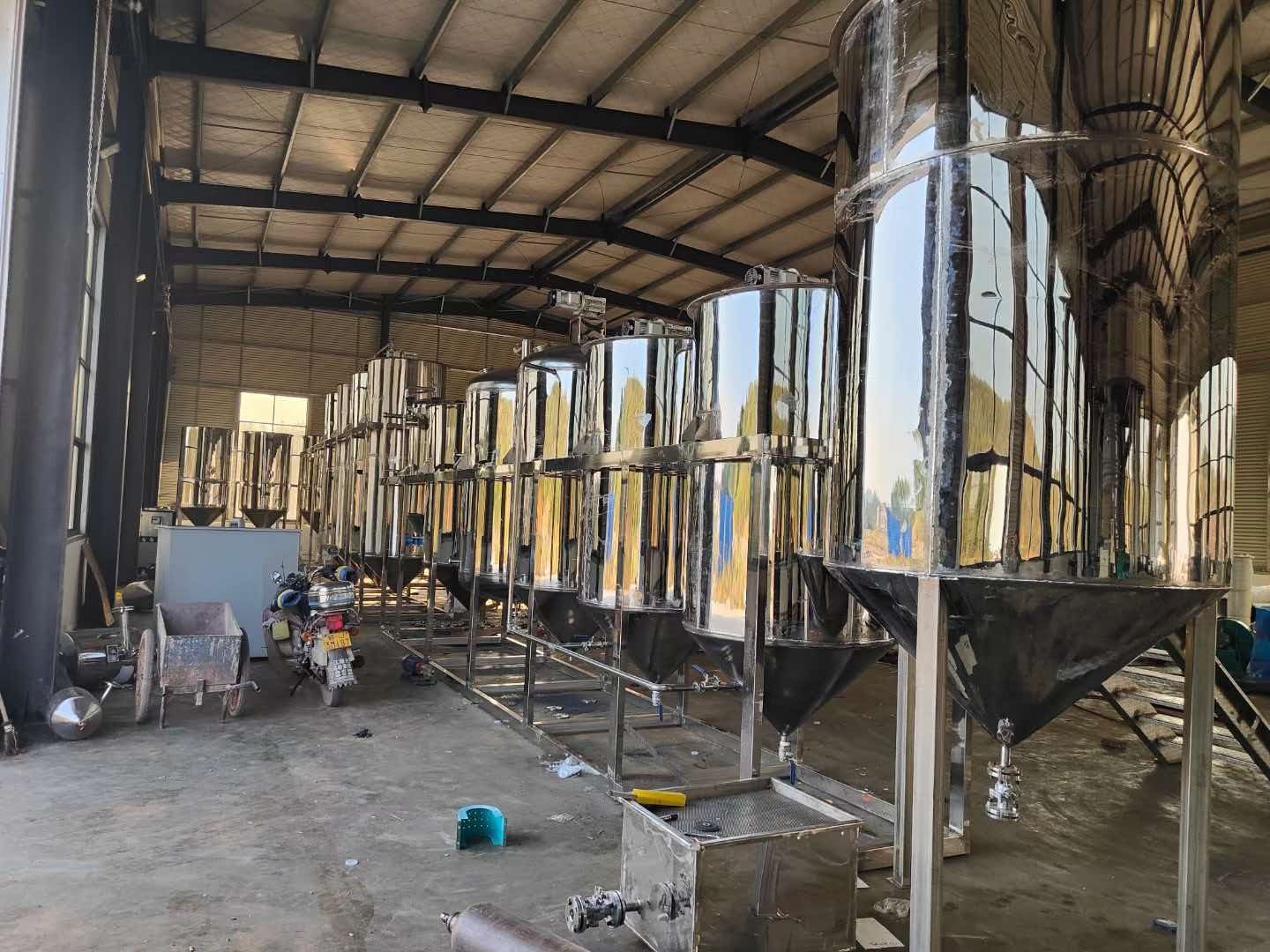
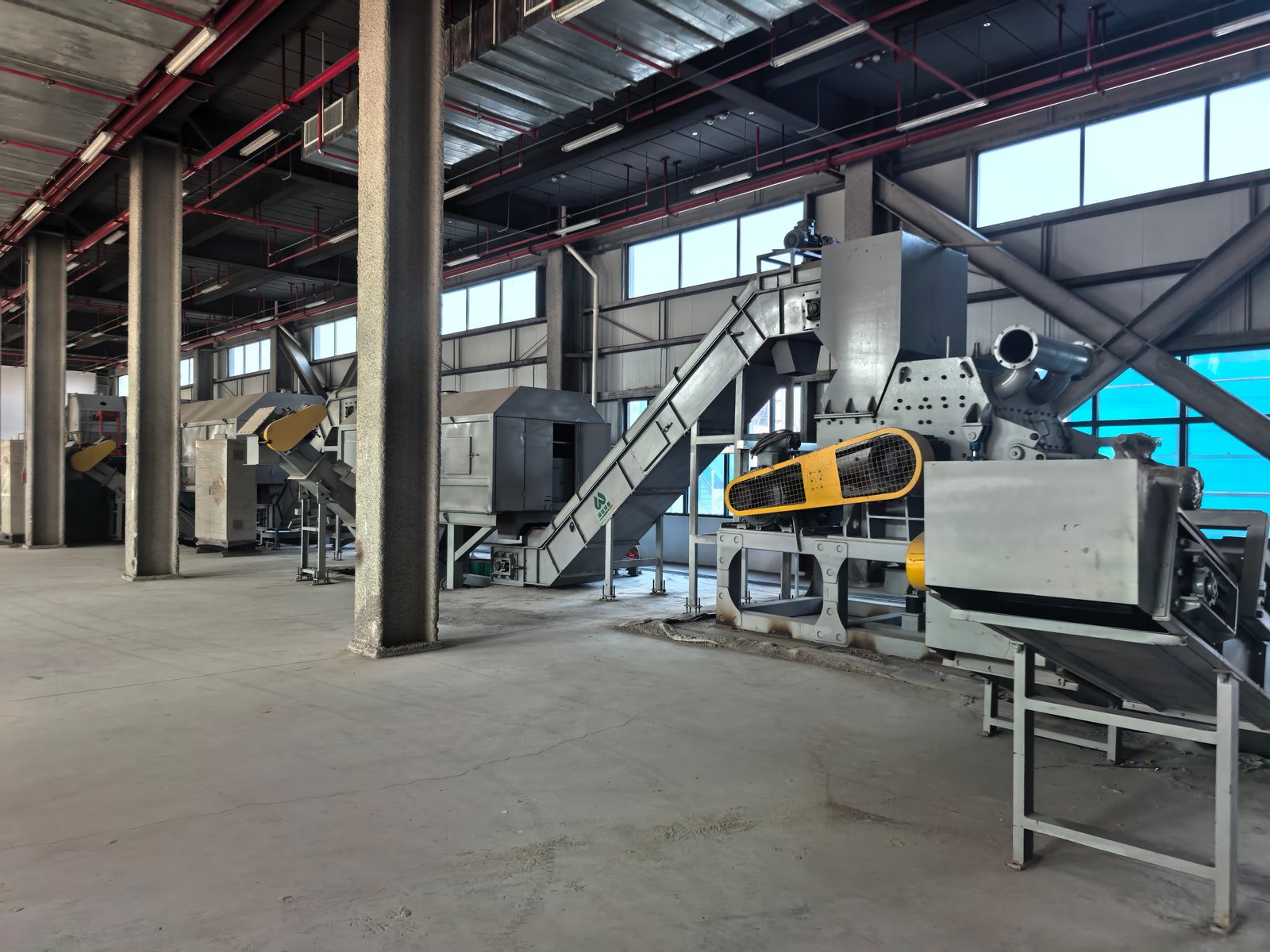
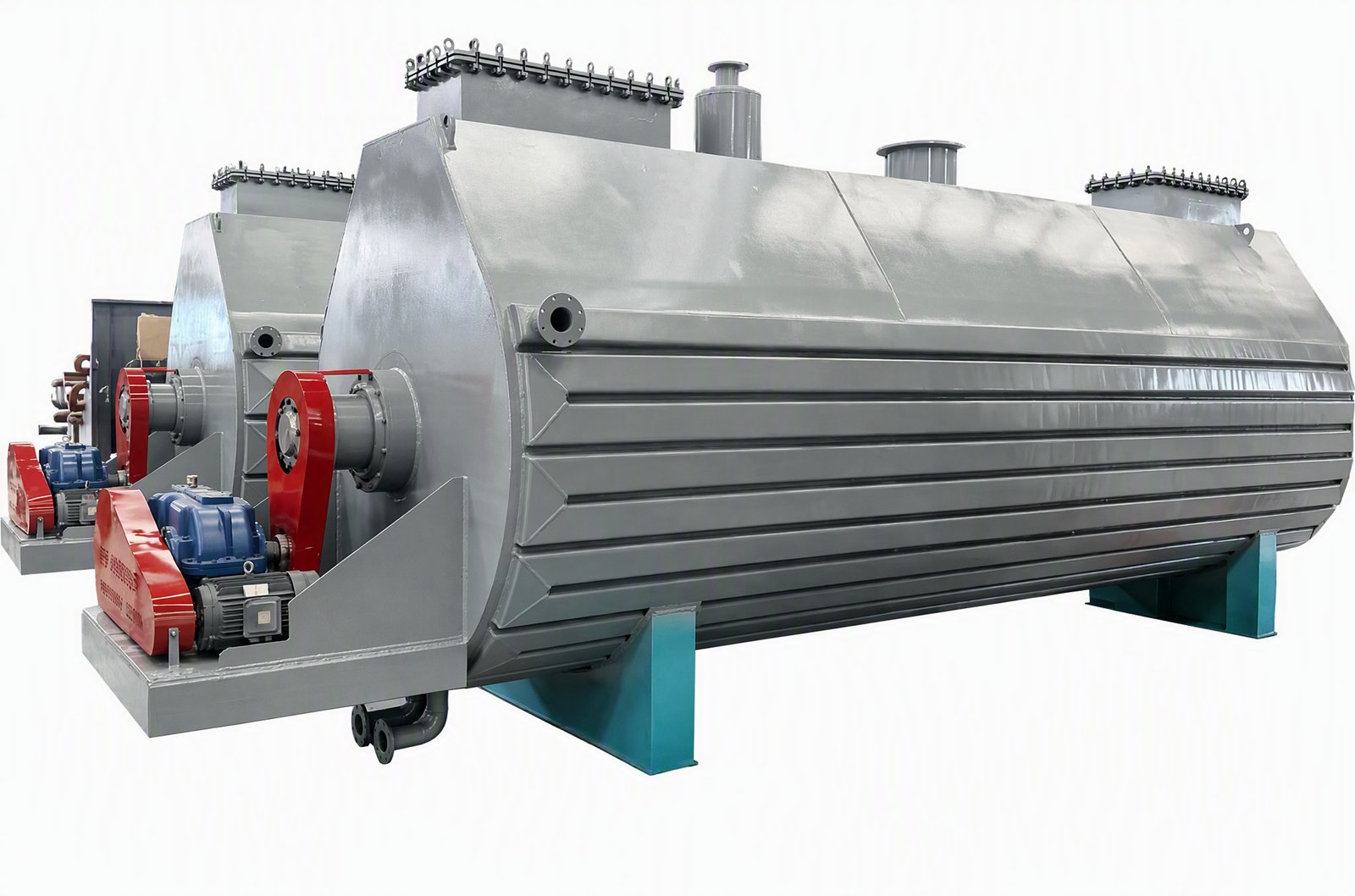
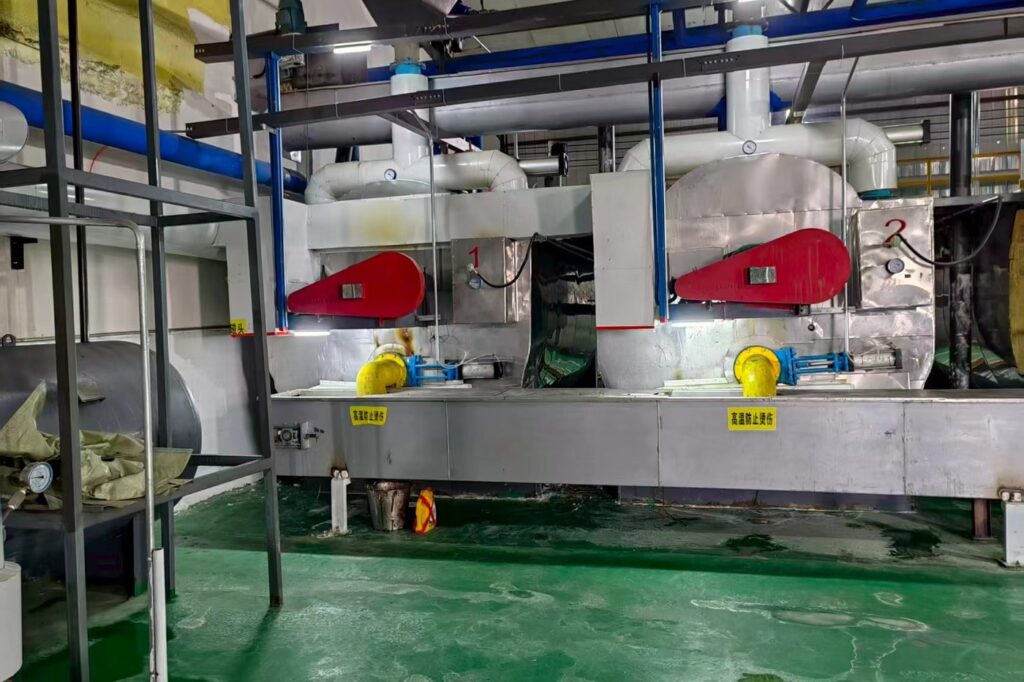
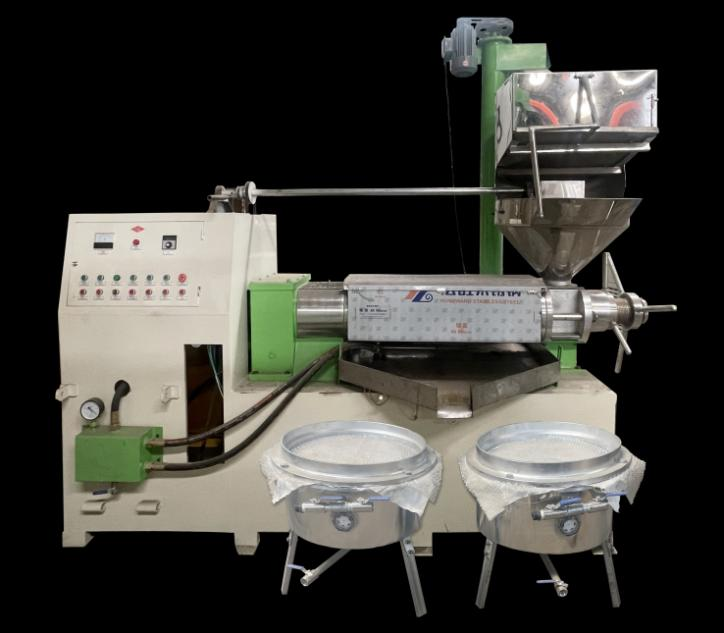
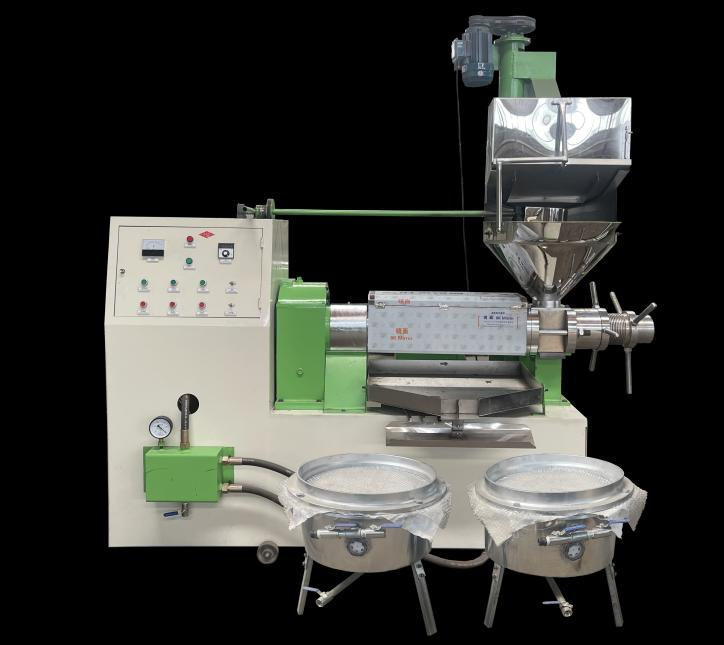
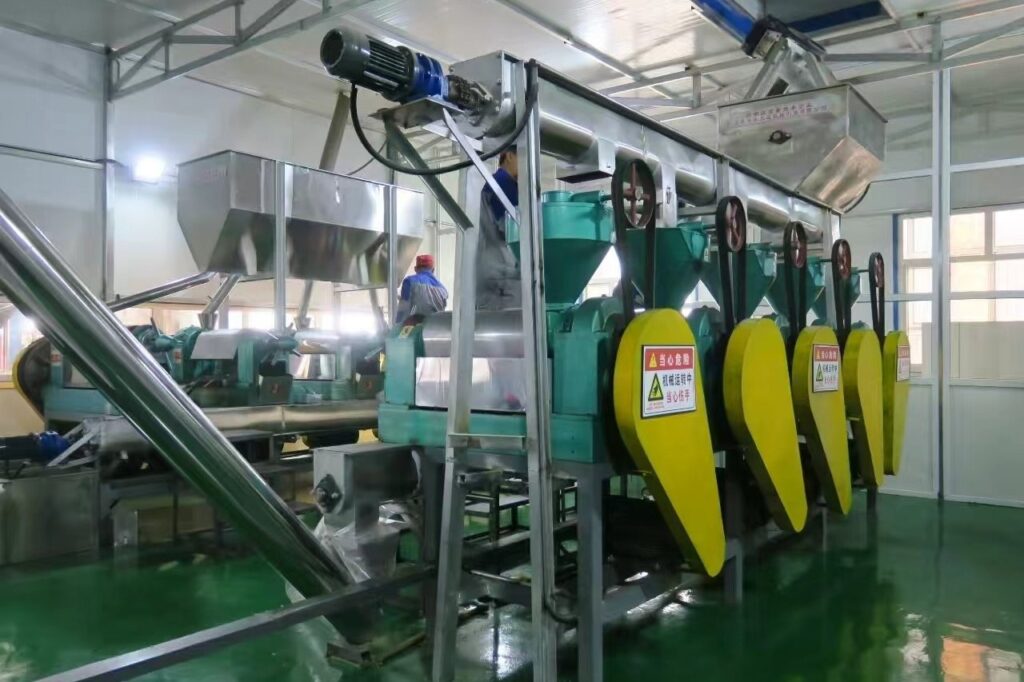
Almost every route benefits from getting the water out and the oil out first. We build the machinery for that stage — solid-liquid and oil-water separation, size reduction, decanter centrifuges, conveyors, tanks and odour control equipment — see the equipment range and the auxiliary equipment pages, and the process solutions for the waste-to-biodiesel route.
Frequently asked
Can food waste treatment make money on its own?
Sometimes, and mostly through the oil fraction. Recovering oil from kitchen and food processing waste is where the recoverable value usually sits; the rest of the material is generally a volume and compliance problem. Be sceptical of business cases that assume all of it becomes a product.
What is the smallest sensible installation?
At small scale, separation and volume reduction usually pay back first, because they cut transport and disposal costs immediately and require modest equipment. Composting or digestion are worth considering once you have enough consistent material to justify the plant and the permits.
Where does odour control fit?
Odour is the complaint that closes installations. It belongs in the original design — enclosed handling, controlled ventilation and treatment of exhaust air — rather than being retrofitted after the neighbours have complained. We supply odour control equipment as part of these lines.
Key points to take away
- Food waste is not one material. Kitchen waste, processing waste and used cooking oil need different treatment, and one plant rarely suits all three.
- Separation comes first in almost every route. Removing water and recovering oil reduces volume and recovers the part of the waste that carries real value.
- Get composition data over weeks, not one sample. Sizing a plant on a single sample is how plants end up unable to handle their own feedstock.
- The output has to have a market. Compost, feed, biogas or recovered oil — if nobody wants it or uses it, the process is a cost with extra steps.
- Match the route to your operating capability. A composting pad and an anaerobic digester demand completely different levels of technical skill.
- Check the permits before you buy. Restrictions on feeding food waste to animals and on waste handling differ by jurisdiction and change over time.
- Design odour control in, do not retrofit it. Odour complaints are what close installations, and they are much cheaper to prevent than to cure.
There is no universally best technology here, only the route that fits your waste, your site, your permits and the people who will run the plant.
Tell us what your waste is
Send us the composition of your waste, the volume per day and what you want to come out the other end, and we will tell you which route fits and what equipment it needs. Request a quote.